
Eight ways to strengthen nutrition in schools
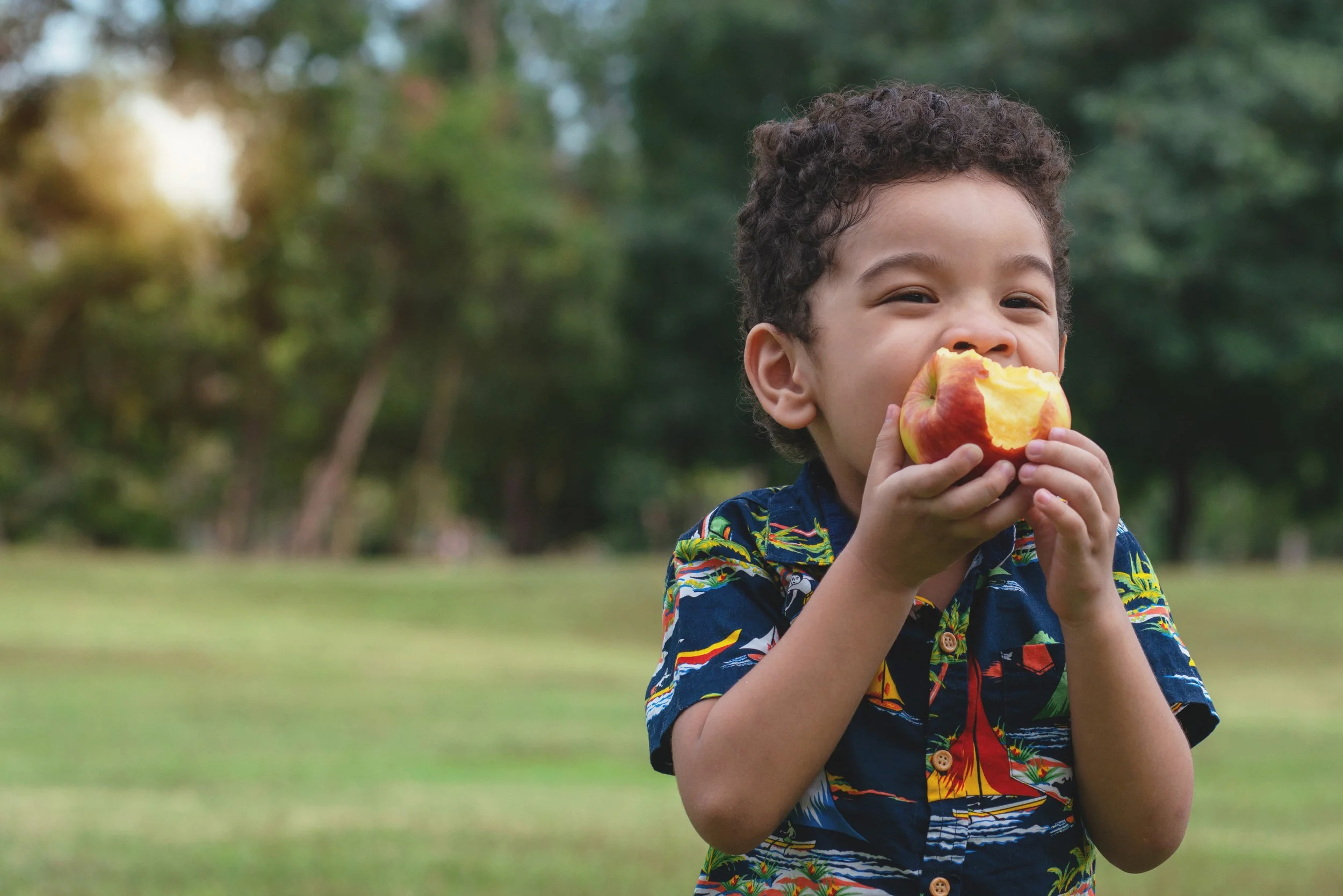
Kids spend the greater part of their day at school and what they learn there can have a huge impact on how they think and feel about food.
Creating a healthy environment at school can influence a child’s health, learning and long-term eating habits. Shouldn’t our schools be sending the right message about the importance of nutrition to our kids’ health? Here are nine ways schools can set our kids up to be part of the healthiest generation.
Nix the sweets at holiday and birthday parties
Many of us probably remember bringing in cupcakes to share with classmates on our birthday and the class holiday parties filled with candy and treats. Celebrations can still be just as sweet with fruit or other healthy snacks. Try giving kids small pieces of fruits and vegetables along with toothpicks and see what they can create – animals, spaceships, self-portraits. Birthdays can be celebrated with a song or a special class tradition like being the line leader or being the teacher’s special assistant for the day.
Start a school gardening program
What better way to learn about food than to grow it yourself? Kids love the chance to get outside and get their hands dirty by planting a garden. Lots of nonprofits help local schools start gardening programs, check for one in your area, or see if you have a local master gardener’s program that might be able to help. Plan a workday with the local community to get the garden beds built and ready for students. The fruits (and veggies) of their labor can be used in the cafeteria or to have a garden sampling party. Any leftovers could be shared with a local food pantry to help students see the link between schools and community.
Fundraisers – no more peddling for fast food companies
Have your kids ever come home with discount cards to local fast-food restaurants, or boxes of chocolate bars and cookie dough they are asked to sell as a fundraiser for school? What about a notice encouraging families to eat at a local fast-food restaurant that will donate a portion of its sales to the school? What kind of lesson do we send to our kids when we allow large food corporations to use our children and schools to promote their unhealthy products? We shouldn’t be asking our kids to market for big food to have new books and supplies for their school.
Talk to your school leaders to learn who makes the decisions about fundraisers. Join with other parents who feel the same way and ask for a meeting. Come to the meeting prepared with alternate fundraising ideas that support a healthy learning environment.
No sweet rewards
Competition can be fun, rewards should be encouraged, but why do they so often center on unhealthy food? A special note, a small gift like a pencil, extra recess or free time in the classroom could all be used instead of a sweet treat. This helps reinforce the message that rewards don’t need to involve sweets.
Advocate for healthier options at sporting event concession stands
Have you ever looked at what concession stands actually sell? Not much of it can even be considered real food. It’s primarily over-processed, sugar, salt and fat-laden fare that is marketed toward kids. Find out who makes the purchasing decisions for the concession stands. Join with other parents, or student activists to urge making small, gradual changes. Try stocking whole fruit and pre-packaged veggies or nuts, and add in a selection of low-sugar drinks and flavored water. Try moving the overly processed foods out of sight and highlighting the healthier options.
PTA-sponsored events – ditch the sweets and Big Food sponsorships
Many Parent Teacher Associations hold events for kids and their families to come together at the school. These events can often include not-so-great foods like cookies and cakes, and food donated from local businesses. Try approaching local farmers or grocery stores for donations of fresh fruits or veggies rather than relying on pizza and fast-food restaurants. Soda companies have been in the news for donating money and products to schools. Tell your local PTA to just say no to sponsorships and donations from marketers of unhealthy products.
Get your school system into a farm-to-school program
Farm-to-school programs increase access to locally grown fresh produce for students, can be a significant financial opportunity for local farmers and can stimulate the local economy. Find out whether your school or school system is part of a farm-to-school program. If not, join with other parents, teachers, students, school nutrition staff, community organizers, food advocates and local farmers to work toward developing a locally workable program. Start small with a couple of short-term goals and develop a plan to grow from there.
Include nutrition education in school curriculum
An understanding of how nutrition helps kids learn, grow and develop into healthy adults should be a necessary part of their education. While many schools report some kind of nutrition education, it often takes the form of posters in the lunchroom touting nutritious eating. Find out what nutrition education means for your school. Advocate for nutrition education to be woven throughout health, science, math and language arts curriculum. Encourage your school to try hands-on experiences so kids can see how important food is to our daily lives by having them take field trips to a local farm or food producer, or have a local chef or dietician come in for a cooking demonstration using fresh produce.
While it may be difficult to control the messages our children are exposed to outside of school, we should be able to ensure our schools are offering a nutritious and healthy learning environment free of marketing for unhealthy food products. These can be difficult, even awkward conversations to start, but once you do you will most often find you’re not alone in your thinking.
