
Take Action
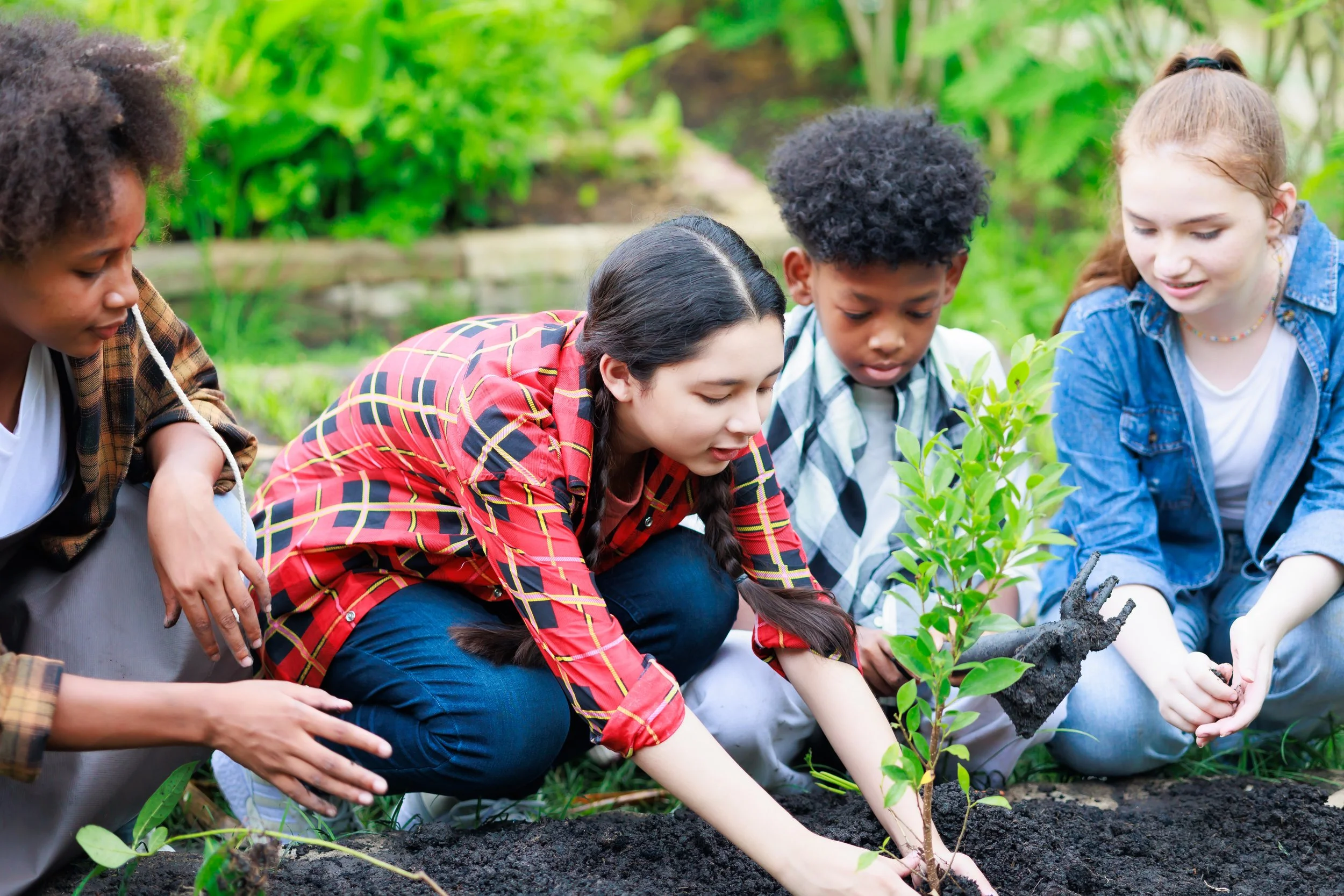
We can all do something to help protect the health of future generations.
We all come from different backgrounds and have different opportunities to influence change to our food culture. Use the suggestions below as a starting point as you consider what actions you can take.
Learn & Reflect
Seek out new information about why our food culture is structured the way it is. Take note of how those structures influence your daily life, your health, and the health of those around you.
Share & Engage
Ask questions, listen to the experiences of others, and share what you’ve learned with empathy and care. Find practical ways to engage with the work of local groups who are helping reshape our food culture.
Advocate & Support
Expand your reach past your immediate social circle to influence the broader systems and communities in which we live.
Involve teens in food shopping and cooking
Involve adolescents in the food shopping and meal preparation process. Giving teens and tweens a say in what foods are stocked at home and learning how to prepare them can influence what they eat. It’s also a great opportunity to spend some time together and talk about the importance of eating nutritious foods in ensuring their long-term health.
Replace processed foods with whole foods
Try shopping only the perimeter of the grocery store – the produce section, bulk foods section, fresh meat and seafood counter and dairy sections – since the middle of the store is where all of the packaged, processed stuff lives.
Try to replace one processed food item that you usually shop for with a whole food version. Like boxed rice with seasoning packets? Try making your own. Same goes for soup. Grab the same ingredients from your favorite canned soup and try to make it yourself.
Share articles
Share a link to an article on social media. Start a conversation with a friend, ask them whether they had ever heard about the Developmental Origins of Health and Disease.
Donate real food to food drives
The next time you donate food for a food drive, think about real food options that still have a longer shelf life, like unsweetened canned fruits and vegetables, beans and legumes, or whole wheat pastas and brown rice.
Talk to your mom
Don’t know how much you weighed at birth? This is a great chance to talk to your mom about what life was like for her while she was pregnant with you. Is grandma still around? Ask her too. It’s a wonderful opportunity for some family bonding and learning more about your family history. How does what you eat now compare to what your mom or grandma ate while pregnant?
Implement a healthy meetings policy
Is the break room at your place of employment filled with cookies and donuts? Do meetings over mealtime tend toward greasy pizza and soda? Work with your coworkers to implement a healthy meetings policy. Start small by gradually introducing healthier options like fruit and scale-up from there.
Make a resolution to cook with more whole foods
Changing eating habits can be a daunting task. Start small by committing to cook one meal a week using only whole foods. Already meet this goal? Then try going a whole day eating and cooking with only whole foods.
Get kids in the kitchen
Adolescent kids at home? Get them in the kitchen! Make sure your kids or grandkids know basic kitchen skills and how to cook simple healthy meals before they leave home. It will set them up for a lifetime of good health, and make them a sought after roommate!
Let your voice be heard
Call your legislators to let them know why you oppose drastic cuts to the SNAP program. You can find out who your congressional representatives are and how to contact them here. To find out who your senators are and how to contact them, check here.
Improve offerings in school vending machines
Find out if your local school district has a contract with a vending machine provider. If so, what is sold in the vending machines? Where do the profits go? Research methods schools have used to include healthier snacks, like flavored water and nuts, in vending machines. Bring these ideas to your next school district meeting, and see if a group can be put together to approach the vendor.
Start cooking and share your success
Get friends and family involved in cooking. Prepare meals together with your kids – they’ll be much more excited about trying out a new veggie dish they helped to make. Put together a list of recipes with lots of fresh ingredients you want to try and invite some friends over to make a meal together. Or try those new recipes yourself and bring the leftovers into the office to share with coworkers.
Involve the whole family
Get your kids involved in meal planning, food shopping and cooking. While you are doing it, talk about what eating a healthy diet based on whole foods can do for them over the course of their lives. Pack the leftovers from the meals they helped make in their school lunches so they can talk to their friends about the fun of cooking with and eating healthy foods.
Support farm to school programs
Offer your support to local community-based organizations, like Rogue Valley Farm to School, that are doing incredible work to support a healthier world for kids. If you live in the area, consider volunteering with Rogue Valley Farm to School to help support their various programs. Don’t live nearby? Visit their Support Us page for more ideas on how you can support their work and mission!
Track the food ads
Ever wonder how our food culture got to the point where the easy choice never seems to be the nutritious choice? One day keeps tabs of all the food ads you hear and see. Compare how many are for whole foods and how many are for highly-processed food products.
Use My Pregnancy Plate
Print out the plate guide to have on hand next time you shop for food, and try to incorporate as much of it as you are able. Keep it hanging on your fridge as a reminder of what your plate should look like.
Pay attention to your food
Really look at the food you are eating and think about what it is and where it came from. If it promotes nutrients, are they from actual fruits and vegetables, or are they added chemical compounds? Can you recognize all the ingredients?
Pay attention to food ads directed at teens and tweens
You might be in awe of the amount and kinds of food this group consumes. But why do they eat what they do? Watch for advertisements that are targeted toward this group. Turn on a TV program or TV station directed toward this group and look at what kinds of products are being advertised and how. Or have a conversation with an adolescent about what they eat.
Incorporate DOHaD into your work
Do you already work or volunteer with with a group that could incorporate concepts of the Developmental Origins of Health and Disease (DOHaD) into its programs or policies? Do you work in health care, for a community non-profit, in education, or government? These are a few of the more obvious areas where DOHaD principles could be woven into your work. However, social stress and nutrition touch almost every aspect of life. Think of ways you could incorporate this information into your work and volunteer opportunities.
Eat at school
How much do you know about the meals your child is served at school? Ask your child and their friends if they like their school meals and what they enjoy or would change about them. Check with the school to see if you can eat lunch with your child one day to see what it’s like for yourself.
Take a food tour of campus
Is there a college or university near you? Take a walk one day and see what it’s like. What kinds of restaurants are there? What’s in the vending machines? What kinds of food are available in the student union? Or have a conversation with a child, friend or neighbor attending college about their food choices while on campus. How do you think it compares to college campus from 20 years ago? 40 years ago?