
The Science
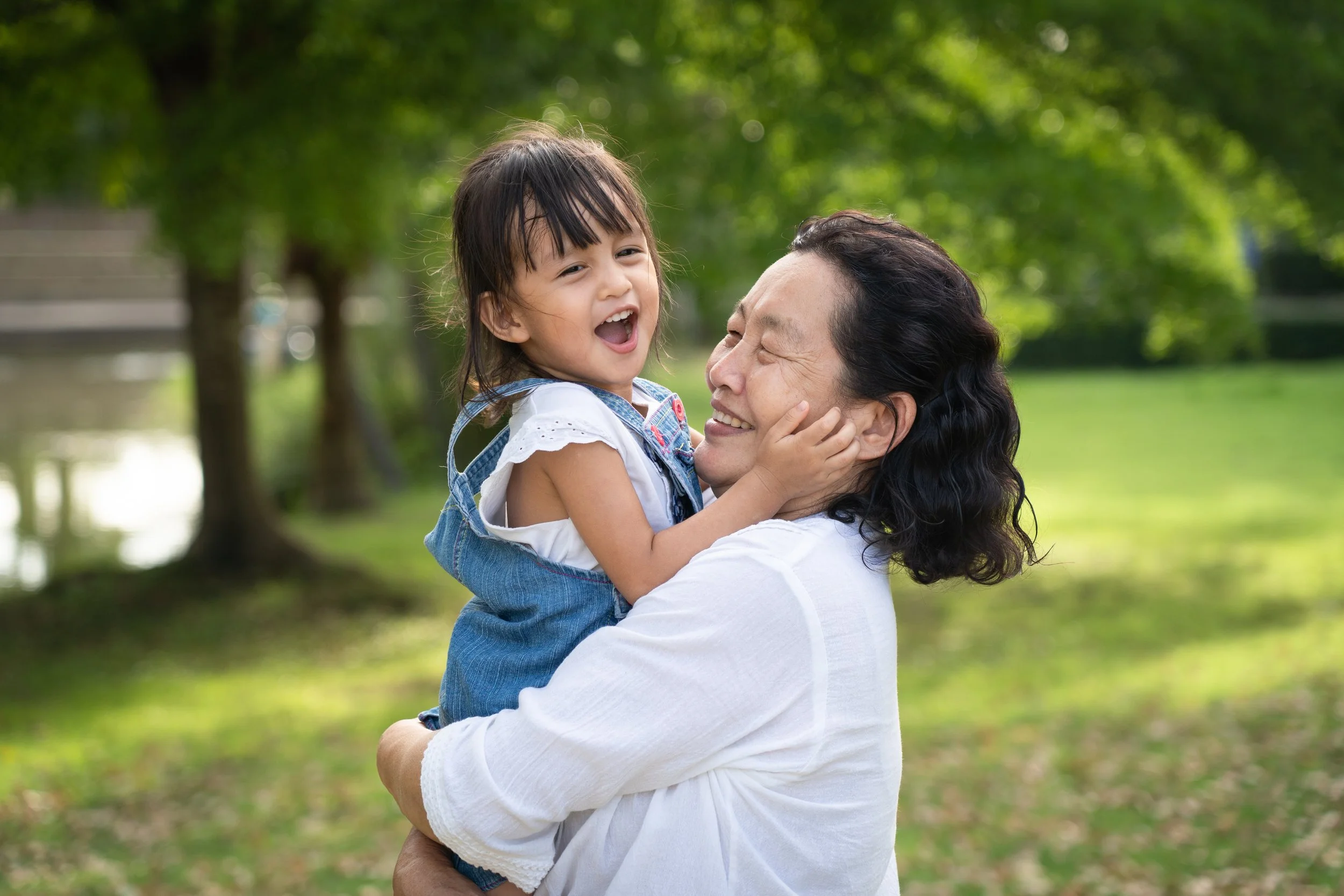
Multi-generational impacts rooted in decades of research
The work highlighted in The 100-Year Effect is a part of a broader field of research known as the Developmental Origins of Health and Disease (DOHaD).
Originally known as the "Barker hypothesis," this research originated in the early 1990s when Dr. David Barker began studying a correlation between birth weight and adult heart disease death in England. Since then, the field has rapidly expanded, revealing the ways in which the environment experienced before birth and in the early years of life impacts lifelong risk for additional chronic diseases like obesity, hypertension and diabetes.
What is the 100-Year Effect?
Coined by Dr. Kent Thornburg, this phrase describes the multi-generational health effects of the environment experienced during pregnancy and into infancy.
It means that the health environment of today—nutrition, stress, toxins—directly impacts the likelihood that our children and grandchildren will develop adult chronic diseases over the next 100 years.
It’s a discovery that’s so important that we made a movie about it.

What is the “environment” during pregnancy?
This environment is determined by a mother’s diet before and during pregnancy, the stress she experiences, and any exposure to chemicals or toxins. Recent studies also highlight the way that similar environmental factors for a father affect a fetus’s health profile through the epigenetics of sperm.
How does this environment last 100 years?
A female baby is born with all the eggs she will ever have. This means that the egg that eventually became you formed while your mother was developing in her mother’s womb, and was exposed to the same environmental factors that she was.
Which means that your disposition for chronic disease is affected not only by the environment of your mother’s pregnancy, but also the environment of her mother’s pregnancy. Measured across three generations, those effects can span more than 100 years.
So we are all a part of the 100-Year Effect?
Yes. If you have children, you are at the beginning of a new 100-year effect. But even if you don’t have children, we are all experiencing the health effects of the environments experienced by our parents and grandparents, stretching back 100 years.
Learn more about the importance of the 100-Year Effect from Dr. Kent Thornburg, medical scientist at OHSU.
Why does this matter?
Chronic diseases have become a worldwide health crisis, and they are a major reason why progress in life expectancy has slowed or even reversed in recent years.
What are chronic diseases?
These are diseases or health conditions that last a long time, are not preventable by vaccines or medications, and won’t disappear on their own. Diabetes, cardiovascular disease and obesity are examples. Chronic diseases are the leading cause of death in the U.S., and they are on the rise.
Aren’t chronic diseases caused by genetic factors that are out of my control?
DOHaD research continues to demonstrate that genes are not a rigid blueprint for health. Environmental stimuli, including nutrition and toxic stress, affect the expression of our genes and, consequently, our health. This is known as epigenetics: where nature meets nurture.
Is it too late to change my adult disease profile?
It is not too late! Research also shows that eating a healthful diet, being active, and making other healthy choices can help reduce the probability of negative outcomes associated with fetal disease programming.
What can I do?
We can all do something, whether that’s learning about small positive changes we can make in our diets or advocating for broad reforms to our food systems.
While we all come from different backgrounds and have different opportunities to influence change to our food culture, we can all start somewhere.
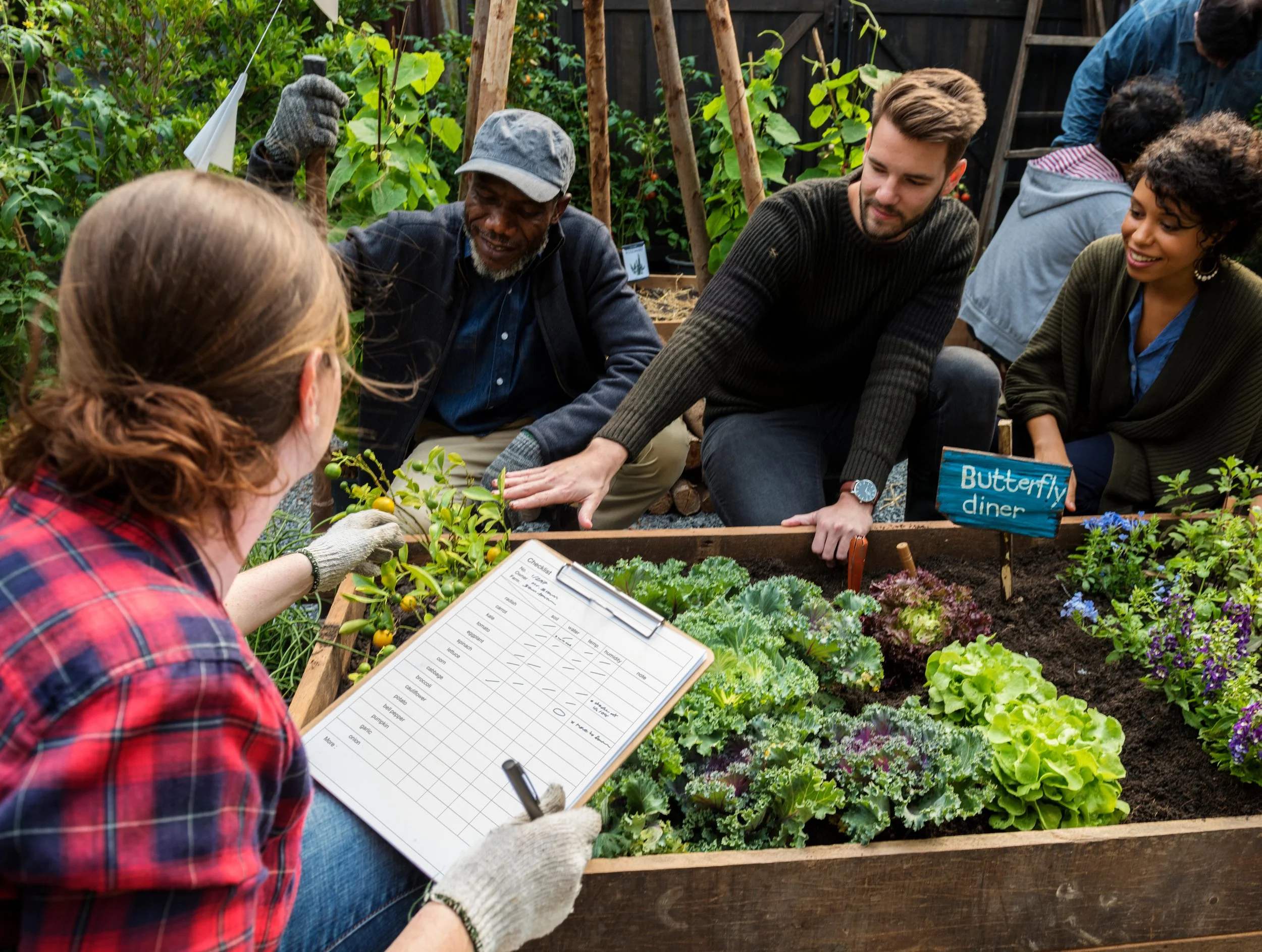
Learn & Reflect →
Be curious. Seek out new information about why our food culture is structured the way it is. Take note of how those structures influence your daily life, your health, and the health of those around you.
Share & Engage →
Bring your discoveries to your family, friends, and community. Ask questions, listen to the experiences of others, and share what you’ve learned with empathy and care. Find practical ways to engage with the work of local groups who are helping reshape our food culture.
Advocate & Support →
Expand your reach past your immediate social circle to influence the broader systems and communities in which we live.