
Blog
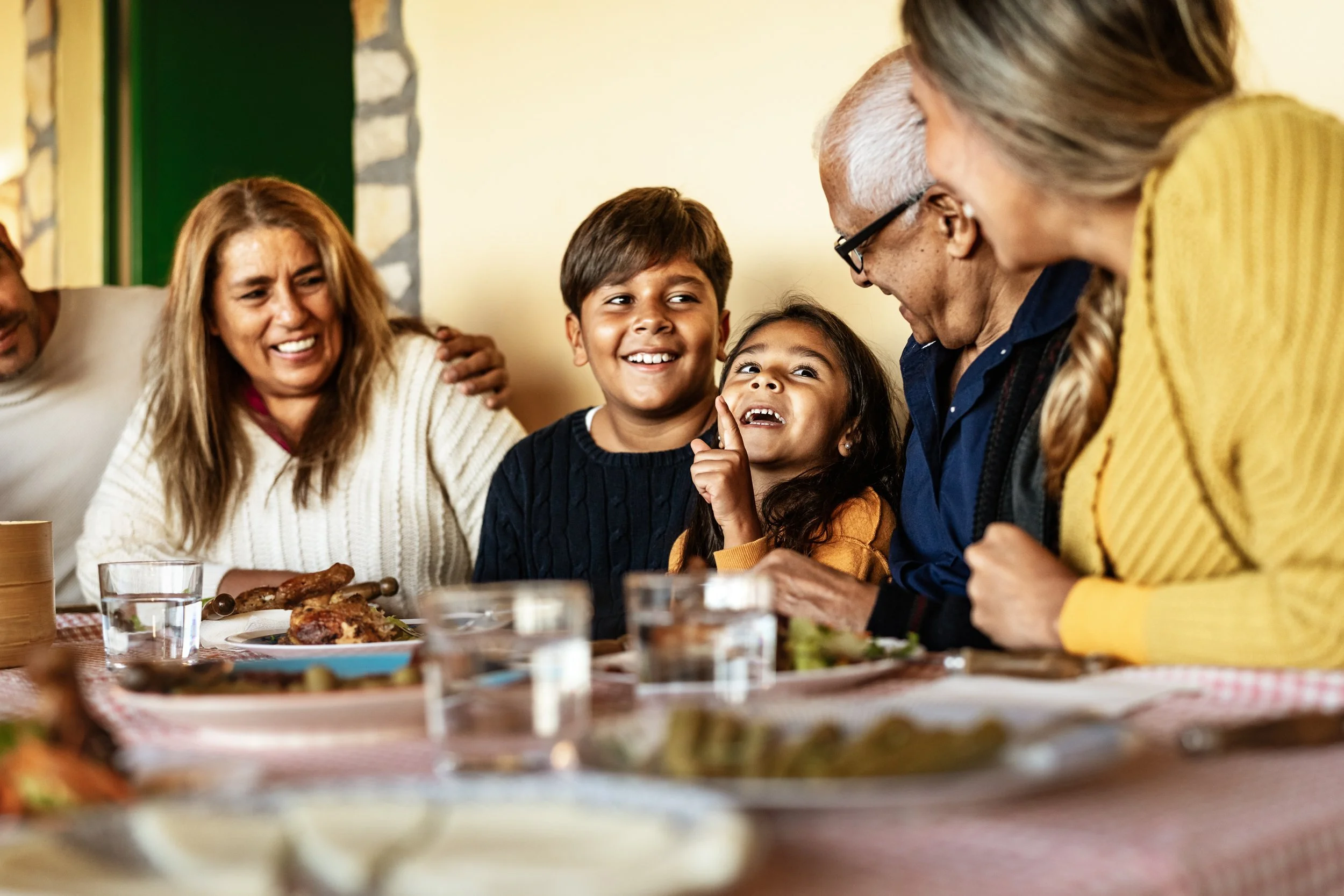
Nutrition echoes across generations
Nutrition today affects our own health and influences the health of our future children—and even grandchildren
Nutrition today affects our own health and influences the health of our future children—and even grandchildren.
You may already know that the food a woman eats while pregnant and breastfeeding has a direct effect on her developing baby. But you may not know that what a woman eats before pregnancy may be even more important.
Good nutrition before becoming pregnant builds a healthy body that will be ready to support a developing baby. While a woman provides the environment that nurtures her developing child, society plays a role in nurturing the next generation of parents. The food environment we create for adolescents, expecting women and mothers has the power to change society’s overall health.
Working together to ensure easy access to nutritious food for all, we aren’t just improving health today – we are investing in the health of future generations.
Why early nutrition matters
A woman builds up nutritional reserves throughout her life. During pregnancy, a developing baby draws on both the nutrients she consumes each day, and the reserves stored in her tissues.
Powerful evidence now shows that the nutrition available early in development can create lasting changes in how the body grows and functions. These changes don’t alter the baby’s genes themselves, but rather the biological “switches” that determine whether those genes are turned on or off.
When nutrition is limited or stress levels are high, these switches can make a child more vulnerable to chronic diseases like heart disease and diabetes later in life. Remarkably, some of these changes can then be passed on to the next generation.
What grandma’s diet has to with your health
Here’s where things get interesting and a little complicated.
A baby girl is born with all the eggs she will ever have – the eggs that could one day become her own children. Those eggs are nourished while the baby girl is developing in her mother’s womb.
In other words, when a woman is pregnant with a daughter, she is also nourishing the cells that may one day become her grandchildren.
Seen from another perspective, the egg that eventually became you was nourished while your mother was growing in your grandmother’s womb. This means that your grandmother’s nutrition, experiences and health may have influenced your own health risks today.
That’s the power of nutrition across generations.
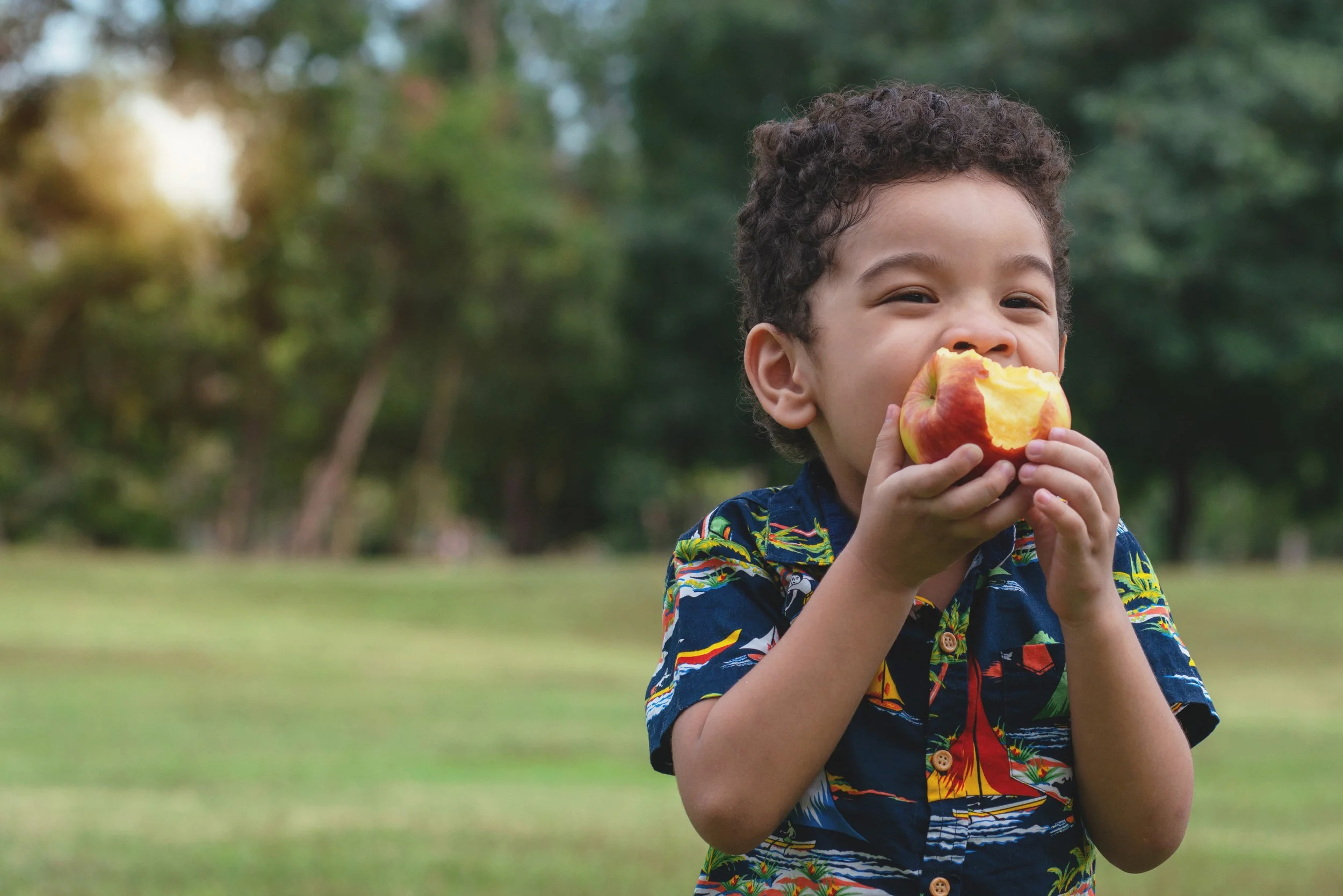
Eight ways to strengthen nutrition in schools
Kids spend the greater part of their day at school and what they learn there can have a huge impact on how they think and feel about food
Kids spend the greater part of their day at school and what they learn there can have a huge impact on how they think and feel about food.
Creating a healthy environment at school can influence a child’s health, learning and long-term eating habits. Shouldn’t our schools be sending the right message about the importance of nutrition to our kids’ health? Here are nine ways schools can set our kids up to be part of the healthiest generation.
Nix the sweets at holiday and birthday parties
Many of us probably remember bringing in cupcakes to share with classmates on our birthday and the class holiday parties filled with candy and treats. Celebrations can still be just as sweet with fruit or other healthy snacks. Try giving kids small pieces of fruits and vegetables along with toothpicks and see what they can create – animals, spaceships, self-portraits. Birthdays can be celebrated with a song or a special class tradition like being the line leader or being the teacher’s special assistant for the day.
Start a school gardening program
What better way to learn about food than to grow it yourself? Kids love the chance to get outside and get their hands dirty by planting a garden. Lots of nonprofits help local schools start gardening programs, check for one in your area, or see if you have a local master gardener’s program that might be able to help. Plan a workday with the local community to get the garden beds built and ready for students. The fruits (and veggies) of their labor can be used in the cafeteria or to have a garden sampling party. Any leftovers could be shared with a local food pantry to help students see the link between schools and community.
Fundraisers – no more peddling for fast food companies
Have your kids ever come home with discount cards to local fast-food restaurants, or boxes of chocolate bars and cookie dough they are asked to sell as a fundraiser for school? What about a notice encouraging families to eat at a local fast-food restaurant that will donate a portion of its sales to the school? What kind of lesson do we send to our kids when we allow large food corporations to use our children and schools to promote their unhealthy products? We shouldn’t be asking our kids to market for big food to have new books and supplies for their school.
Talk to your school leaders to learn who makes the decisions about fundraisers. Join with other parents who feel the same way and ask for a meeting. Come to the meeting prepared with alternate fundraising ideas that support a healthy learning environment.
No sweet rewards
Competition can be fun, rewards should be encouraged, but why do they so often center on unhealthy food? A special note, a small gift like a pencil, extra recess or free time in the classroom could all be used instead of a sweet treat. This helps reinforce the message that rewards don’t need to involve sweets.
Advocate for healthier options at sporting event concession stands
Have you ever looked at what concession stands actually sell? Not much of it can even be considered real food. It’s primarily over-processed, sugar, salt and fat-laden fare that is marketed toward kids. Find out who makes the purchasing decisions for the concession stands. Join with other parents, or student activists to urge making small, gradual changes. Try stocking whole fruit and pre-packaged veggies or nuts, and add in a selection of low-sugar drinks and flavored water. Try moving the overly processed foods out of sight and highlighting the healthier options.
PTA-sponsored events – ditch the sweets and Big Food sponsorships
Many Parent Teacher Associations hold events for kids and their families to come together at the school. These events can often include not-so-great foods like cookies and cakes, and food donated from local businesses. Try approaching local farmers or grocery stores for donations of fresh fruits or veggies rather than relying on pizza and fast-food restaurants. Soda companies have been in the news for donating money and products to schools. Tell your local PTA to just say no to sponsorships and donations from marketers of unhealthy products.
Get your school system into a farm-to-school program
Farm-to-school programs increase access to locally grown fresh produce for students, can be a significant financial opportunity for local farmers and can stimulate the local economy. Find out whether your school or school system is part of a farm-to-school program. If not, join with other parents, teachers, students, school nutrition staff, community organizers, food advocates and local farmers to work toward developing a locally workable program. Start small with a couple of short-term goals and develop a plan to grow from there.
Include nutrition education in school curriculum
An understanding of how nutrition helps kids learn, grow and develop into healthy adults should be a necessary part of their education. While many schools report some kind of nutrition education, it often takes the form of posters in the lunchroom touting nutritious eating. Find out what nutrition education means for your school. Advocate for nutrition education to be woven throughout health, science, math and language arts curriculum. Encourage your school to try hands-on experiences so kids can see how important food is to our daily lives by having them take field trips to a local farm or food producer, or have a local chef or dietician come in for a cooking demonstration using fresh produce.
While it may be difficult to control the messages our children are exposed to outside of school, we should be able to ensure our schools are offering a nutritious and healthy learning environment free of marketing for unhealthy food products. These can be difficult, even awkward conversations to start, but once you do you will most often find you’re not alone in your thinking.

How birth weight predicts risk for adult chronic disease
Did you know that your birth weight can predict whether you will develop heart disease, diabetes or certain other chronic diseases later in life?
Did you know that your birth weight can predict whether you will develop heart disease, diabetes or certain other chronic diseases later in life? Wacky, but true.
Thanks to research into the Developmental Origins of Health & Disease (DOHaD) over the past 30 years, we know that full-term babies born at the lower end of the birth weight range (5-6 pounds) experience greater rates of chronic disease throughout life. Not only that, but risk can be seen across a graded scale, with babies born at five pounds having higher rates of adult heart disease and diabetes than babies born at six pounds, and those six-pound babies having higher rates of disease than babies born at seven pounds. Babies born between eight and nine pounds have the lowest rates of later chronic disease. The risk begins to climb again for birth weights above 10 pounds.
Growth in the womb sets the pattern
A baby’s birth weight is an indication of how she grew in the womb. The rate of a baby’s growth is set very early in development based on his environment, including his mother’s body size, amounts of fat and muscle, and the social stresses, like poverty and racism, she is exposed to. Birth weight is also affected by the size and shape of the placenta a woman develops. The placenta is the main transport system between the mother and her developing baby.
How early trade-offs shape adult disease risk
Babies in the womb are not completely reliant on the nutrition a woman receives during her pregnancy. From an evolutionary perspective, it would be too dangerous for a developing baby to be solely dependent on the food her mother ate on any given day. They draw on nutritional reserves the mother has built up within her body over her lifetime. So, women who have had less nutritious foods have fewer reserves from which to draw.
Although a mother’s diet during her pregnancy is not closely linked with her baby’s birth weight, it does affect the baby’s vulnerabilities for later chronic disease. Humans are plastic, or malleable, during their development in the womb and adverse influences, such as poor nutrition or exposure to social stress, can permanently alter body structure and function. Babies that are exposed to these problems can be more likely to have chronic diseases later in life.
Resources in the womb are always limited to some degree. A developing baby prioritizes certain organs and systems over others. The brain is always the first priority, followed by the heart. Organs like the kidneys and the lungs, whose functions are provided by the mother until birth, are last on the list to receive resources. A developing baby facing limited resources from the mother’s nutrition will make trade-offs in development and protect the growth of the brain at the expense of these organs. Hence the association between low birth weight, certain lung problems, high blood pressure and diabetes.
Seeds of chronic disease are sown before birth
Therefore, it is now clear that a host of chronic diseases, including heart disease, obesity and diabetes, lay their foundations before we are even born. These roots are formed in response to poor nutrition during growth in the womb. A baby that is malnourished in the womb is born vulnerable-- with a propensity for disease that is very difficult to erase. The implications are clear: a good start is the foundation for a lifetime of health.
Chronic diseases are not an inevitable fact of aging. These diseases could be prevented if we prioritized easy access to nutrition for all, with a focus on the health and nutrition of adolescents and young adults. Not only would this reverse the disturbing trend of decreasing health in the U.S., but it could lead to generations who will have better health and well-being throughout their lives.

The magical, mysterious placenta
How the least understood organ shapes the lifelong health of mother and child
How the least understood organ shapes the lifelong health of mother and child
The placenta is one of the most remarkable - if least understood - organs in the human body. It exists only for the duration of pregnancy, yet it can influence health for a lifetime.
This temporary organ connects the developing baby to its mother during pregnancy. At birth it detaches from the inner wall of the womb and is delivered to the outside world along with the newborn baby.
However, the placenta does more than act as a mediator between the mother and the developing baby. Its structure and function can help predict a person’s risk of developing conditions like high blood pressure, heart disease, diabetes and even some cancers later in life.
The first connection between mom and baby
Soon after a human egg is fertilized it travels through the fallopian tubes to the uterus where it can attach to the inner lining of the womb and form a pregnancy. The outer layers of this early embryo burrow into the uterine wall to become the placenta.
From there, the placenta forms an intricate connection between the mother and the developing baby. Arteries like roots of a tree form a sturdy attachment for the placenta to anchor the developing baby to the uterus. During the 40 weeks of a pregnancy, the placenta:
Delivers oxygen and nutrients
Removes harmful waste
Produces hormones that support the pregnancy
Protects the developing baby from infections
When the placenta signals trouble
When the placenta grows or functions differently than expected, it may reflect challenges during pregnancy, such as limited nutrition, stress or problems with blood flow. These early conditions can influence how organs and body systems develop, setting the stage for later life health.
Because the placenta plays such a central role in pregnancy, problems with its development can lead to serious complications, including:
Preeclampsia
Gestational diabetes
Preterm birth or restricted growth
Stillbirth
But the implications don’t stop at birth. These complications can also signal increased risk for chronic diseases years later—for both mother and child.
Pregnancy is a window into future health
The placenta may exist for only nine months, but its influence reaches far beyond birth. It reflects how well a mother’s cardiovascular, metabolic and immune systems function during pregnancy.
When problems appear with the placenta, it often signals underlying health risks that may appear years later. For example, women who experience placental problems like preeclampsia are more likely to develop high blood pressure, heart disease and stroke later in life. And women diagnosed with gestational diabetes are at a higher risk of developing type 2 diabetes as they age.
The Organ That Leaves a Lasting Legacy
Once overlooked, this remarkable organ is revealing how early development shapes lifelong health. And as scientists continue to study it, the placenta is becoming one of the most important clues we have in understanding—and preventing—chronic disease.
In many ways, it is the first chapter in the story of our health.

The seeds of heart disease risk are planted before birth
The way a heart is built before birth is affected by nutrition and stress exposures
The way a heart is built before birth is affected by nutrition and stress exposures
Heart disease, rare only a century ago, is now the most common cause of death in the U.S. Many explanations for this meteoric rise have been put forth, but most have fallen short of explaining how this once rare chronic disease could kill the equivalent of the population of Austin, Texas each year.
In the early 1990s English epidemiologist David Barker found that areas of England with high rates of infant deaths following WWII had high rates of adult death from heart disease 50 years later. His curiosity led to one of the largest paradigm shifts in medicine during the past century. Heart disease is not a result of faulty genes or how many value meals we consume as adults. Risk for heart disease is programmed into our makeup before we are even born based on how we grew in the womb.
How early development shapes the heart
Think about planting a garden – if the seeds are planted in poor soil and aren’t nourished with sunlight and water, the plants will grow poorly. They will be smaller and less healthy. The same is true for humans. A developing fetus senses its environmental surroundings and sets a growth pattern accordingly. If there are few nutritional stores available and high rates of stress, the fetus will grow slowly and have a lower birthweight.
The heart, along with most of the body’s other organs and systems, is fully formed at birth and will only enlarge as we grow. A less than ideal environment in the womb can lead to permanent changes in the structure of the heart, including fewer cells and poor blood flow. Since a body’s organs do not work in isolation, but in a synchronized concert we know that other effects of poor nutrition in the womb contribute to heart disease risk as well. Small babies are born with fewer kidney filtering units and therefore at risk of having high blood pressure as adults. They are also less able to process insulin and are therefore more likely to develop diabetes. Their livers are less likely to efficiently handle cholesterol. High blood pressure, diabetes and high cholesterol are all independent risk factors for heart disease. Overall, low birthweight babies are less able to adapt to the world outside the womb and are more vulnerable to developing heart disease in adulthood.
From controversial idea to trusted scientific field
Barker’s hypothesis was initially met with disbelief, after all it went against the messages health care providers had been promoting for decades – that heart disease resulted from poor dietary choices like too much saturated fat or too little fiber, poor lifestyle choices like smoking, or from as-yet-undiscovered genes. How could birth weight predict death from heart disease 50 or more years later?
Studies have now found the same link in different populations, timeframes and geographic areas. What was once Barker’s hypothesis has become one of the fastest growing fields of research, now known as the Developmental Origins of Health and Disease, or DOHaD.
Smaller full-term babies, those born at five pounds or less, have a three to five times higher risk of dying from heart disease than those born at eight to nine pounds. Risk begins to increase again in larger birth weight babies, those born at 10 pounds and above. Birth weight alone is merely a rough indicator of how a baby grew in the womb. Placental size, shape and function as well as the mother’s body type all play a role in the development of adult-onset heart disease.
Rethinking prevention: starting earlier
While we have made incredible strides in treating heart disease so that fewer people die from it, we have done a poor job at preventing heart disease. The field of developmental origins shows us that to reduce rates of heart disease, we must focus on prevention much earlier than we once thought. Waiting to discuss nutrition with fifty-year-old adults is too late. We need to focus on improving our food culture to ensure adolescents and people of childbearing age have easy access to affordable, nutritious whole foods. This will ensure our hearts are built strong and heart disease can once again become a rarity.