
Take Action
We can all do something to help protect the health of future generations.
We all come from different backgrounds and have different opportunities to influence change to our food culture. Use the suggestions below as a starting point as you consider what actions you can take.
Learn & Reflect
Seek out new information about why our food culture is structured the way it is. Take note of how those structures influence your daily life, your health, and the health of those around you.
Share & Engage
Ask questions, listen to the experiences of others, and share what you’ve learned with empathy and care. Find practical ways to engage with the work of local groups who are helping reshape our food culture.
Advocate & Support
Expand your reach past your immediate social circle to influence the broader systems and communities in which we live.
Let your voice be heard
Call your legislators to let them know why you oppose drastic cuts to the SNAP program. You can find out who your congressional representatives are and how to contact them here. To find out who your senators are and how to contact them, check here.
Make growing food fun
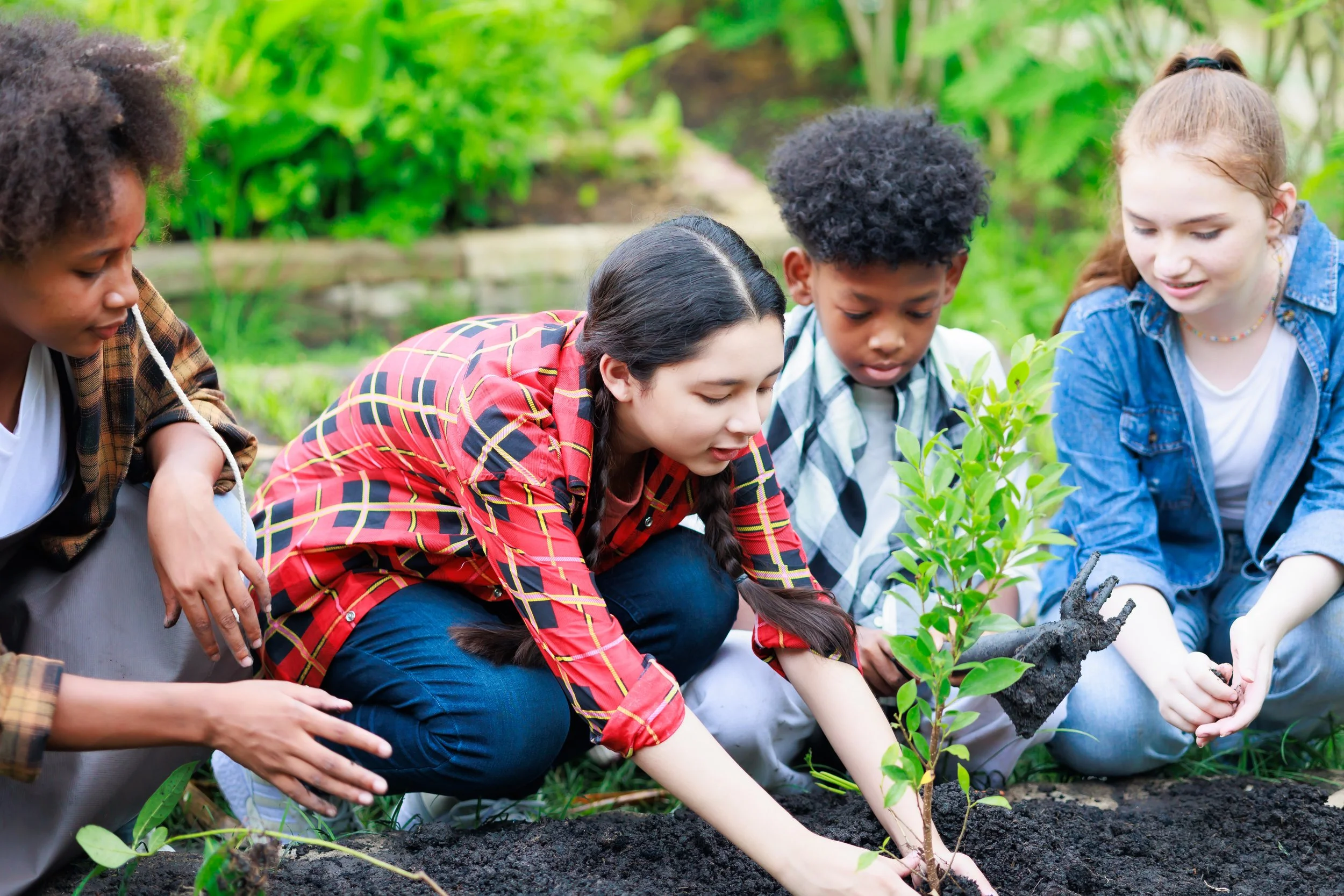
Get a group of parents and community members together to encourage your local school to start a garden. It’s a great learning experience for kids that can be woven into lots of different subjects from health, to science, to reading. The produce the kids grow can be used in the school kitchen, and highlighted in the menu. Even better, arrange a cooking class demonstration for kids where they can help use the produce they grow, and eat it too.
Change your food policy
Notice how often snacks at work meetings involve cookies and soda? Talk to your co-workers about trying out fruit and sparkling water instead or have a contest—try different healthy snacks at meetings and vote on your favorites. Work toward setting a policy that food at meetings is centered on fresh fruits, vegetables and whole grains.
Write a letter
Write a letter to an elected official stating your support for effective public policy that ensures easy access to fresh whole foods, especially for infants, girls, and women.
Support social programs that increase access to nutritious food
National programs like WIC (Women, Infants and Children), plus lots of regional and local programs work to ensure equitable access to fresh nutritious foods for all. Find a local organization and volunteer. Learn about proposed legislation that could affect financing for these groups and write a letter to your elected official in support of the program. Vote for individuals who take a strong stance on increasing nutrition. Do you work for an organization that can take a stand on social issues, proposed legislation or candidates running for elected office? Schedule a meeting with a candidate or elected official for your organization to express its support for increasing access to nutritious foods for all. Voices banding together will turn the tide of chronic disease.
Organize a class
Are you part of a regular group or club? Why not have a gathering devoted to discussing the dietary guidelines? Find a local dietician through your health care provider, county public health office or local university and invite them to lead the discussion.
Advocate for healthier snacks at work
Tired of only being able to grab chips, candy or soda from the vending machine at work when the afternoon hungries hit? You’re probably not the only one. Find out who has the contract with the vending company, send out a survey to co-workers asking about their snack preferences, get on meeting agendas to discuss. Enough voices will let managers know they have a customer base for offering healthier snack options.
Volunteer with local groups
Look into groups in your area that are advocating for change to the food culture. The local health department, health systems and non-profit agencies are great places to start. Find out whether they have volunteer opportunities, or whether you could help by writing to an elected official or attending a public meeting to show your support for issue they are trying to advance.
Join with like-minded community members
Find local groups that are actively working to oppose the proposed budget cuts. A good place to start is your local food bank or county public health office. Ask what you can do to support their efforts. The more voices are combined, the louder the message will be heard in Washington, D.C.
Improve school nutrition
Do you work for a school? From food service providers to principals and presidents, we can all find a way to influence nutrition on school campuses. Teachers and professors can find ways to include nutrition in their curriculum. Leaders can support students, employees and staff when they bring ideas to improve the nutritional culture. Food service providers can find healthier methods for preparing foods and can push for healthier options from food suppliers.
Find a healthier school fundraiser
Most of us remember the fundraisers that encourage kids and their families to eat at a certain local fast food restaurant that will donate a portion of profits to the school on specific days. Ask the school how much they made last year. Then get a group of parents together and approach local businesses not promoting unhealthy meals if they would be interested in a similar arrangement. Maybe the local grocery store or a restaurant with healthy meal options would be interested.
Support your local farmers
Talk to your local grocery store about offering produce from local farms, especially from farmers of color. If your workplace has a cafeteria, ask about including produce from local farms.
Create a new Veggie Rx program
Don’t have a Veggie Rx near you? Research models in nearby communities. Talk to your local farmers market, public health department, or health clinic to gauge interest in starting one. Find a group that has been discussing and offer your support.
Advocate for farm to school programs
Help change local food systems by advocating for schools in your community to integrate locally sourced foods into school meals! Farm to school programs can help advance nutritional and educational equity for kids. If you live in Oregon, you can start by directing your community schools to procurement and funding resources provided by the Oregon Farm to School and School Garden Network and The Oregon Department of Education.
Contact your state legislator
Find your state representative and let them know you are worried about rising rates of chronic disease and what it could mean for your community’s long-term health and stability.