
Take Action
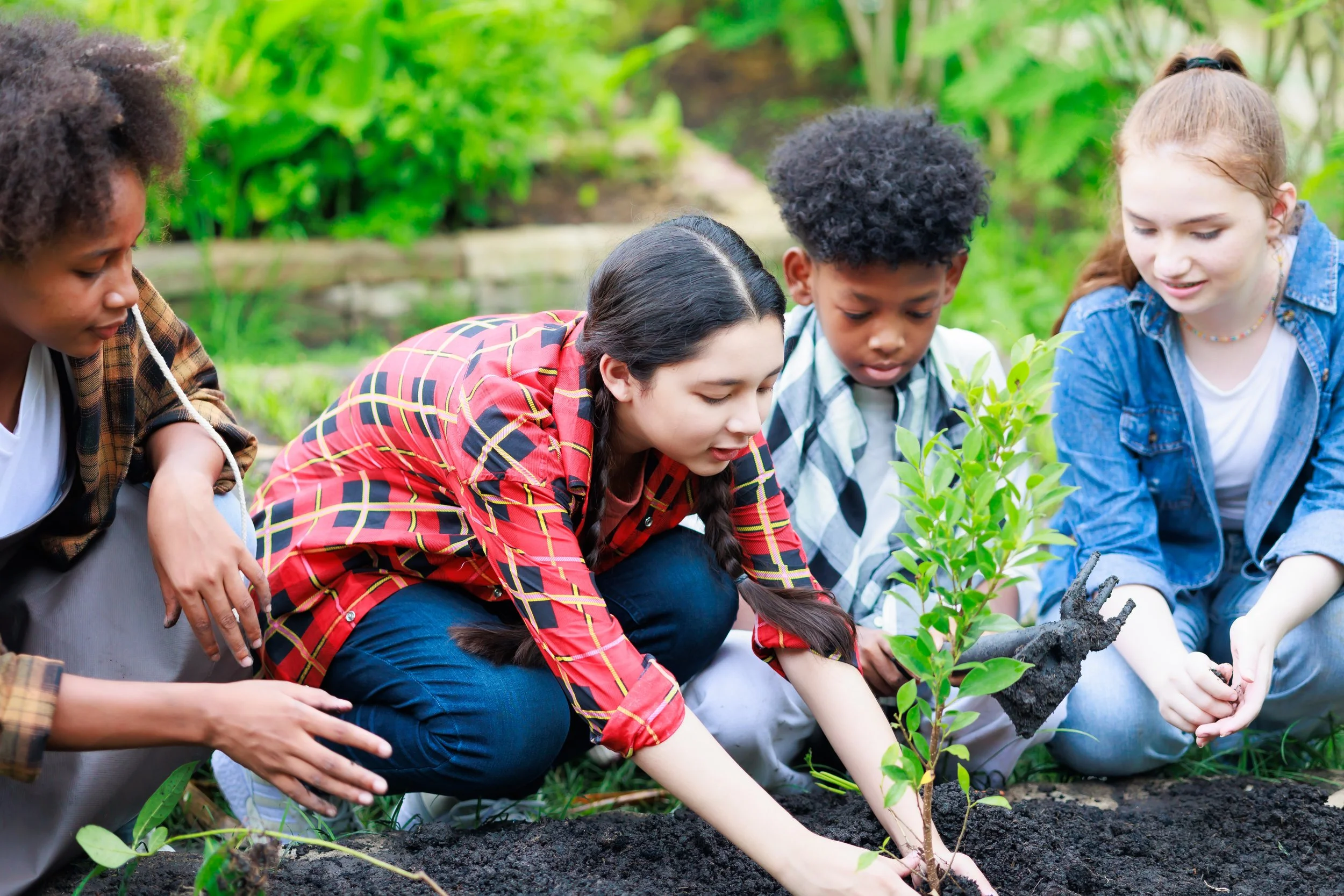
We can all do something to help protect the health of future generations.
We all come from different backgrounds and have different opportunities to influence change to our food culture. Use the suggestions below as a starting point as you consider what actions you can take.
Learn & Reflect
Seek out new information about why our food culture is structured the way it is. Take note of how those structures influence your daily life, your health, and the health of those around you.
Share & Engage
Ask questions, listen to the experiences of others, and share what you’ve learned with empathy and care. Find practical ways to engage with the work of local groups who are helping reshape our food culture.
Advocate & Support
Expand your reach past your immediate social circle to influence the broader systems and communities in which we live.
Track the food ads
Ever wonder how our food culture got to the point where the easy choice never seems to be the nutritious choice? One day keeps tabs of all the food ads you hear and see. Compare how many are for whole foods and how many are for highly-processed food products.
Use My Pregnancy Plate
Print out the plate guide to have on hand next time you shop for food, and try to incorporate as much of it as you are able. Keep it hanging on your fridge as a reminder of what your plate should look like.
Pay attention to your food
Really look at the food you are eating and think about what it is and where it came from. If it promotes nutrients, are they from actual fruits and vegetables, or are they added chemical compounds? Can you recognize all the ingredients?
Pay attention to food ads directed at teens and tweens
You might be in awe of the amount and kinds of food this group consumes. But why do they eat what they do? Watch for advertisements that are targeted toward this group. Turn on a TV program or TV station directed toward this group and look at what kinds of products are being advertised and how. Or have a conversation with an adolescent about what they eat.
Eat at school
How much do you know about the meals your child is served at school? Ask your child and their friends if they like their school meals and what they enjoy or would change about them. Check with the school to see if you can eat lunch with your child one day to see what it’s like for yourself.
Take a food tour of campus
Is there a college or university near you? Take a walk one day and see what it’s like. What kinds of restaurants are there? What’s in the vending machines? What kinds of food are available in the student union? Or have a conversation with a child, friend or neighbor attending college about their food choices while on campus. How do you think it compares to college campus from 20 years ago? 40 years ago?
Count the fruits and veggies
Count the available fruit and vegetable offerings at your corner market, and on menus in the next week. Notice their where they are and how they are highlighted.
Learn about mutual aid networks in your area
Is there anyone you know that may benefit from one? Let them know about what resources they may be able to receive.
Find rates of chronic disease in your community
Look up rates of common chronic diseases like obesity and diabetes in your state and how they’ve changed over the past 25 years. State public health departments are a great place to start searching for this data.
Learn about food justice
Learn more about food justice and organizations in our community that are working to advance equity to change food systems.
Learn about farm to school benefits
Learn more about the impact that integrating local farm fresh foods into school meals can have on children’s health, learning, the local economy and the environment. Check out this data from Farm To School Counts that captures the various benefits of farm to school programs across Oregon!